
Recycling that works – because systems create impact
Illegal waste dumping is not accidental. It is the result of missing, inefficient, or unaffordable waste management systems
Greece is beautiful — yet in many places marked by illegal waste dumping.
ARGIF starts exactly where functional waste management structures are missing.
What is ARGIF?
ARGIF – Attica Recycling & Green Infrastructure Fund was born from a simple question:
How can we enable citizens in Attica to dispose of their waste legally, properly sorted, and affordably — while at the same time creating a viable economic alternative to landfilling?
ARGIF does not see waste management as a problem, but as infrastructure.
ARGIF aims to help finance, build, and operate recycling centers, collection points, and modern processing systems — together with municipalities and private partners.
Citizens gain a clear and legal point of access. Municipalities gain clean areas, predictable structures, and a model project for a circular economy.
Instead of ever-growing landfills, we want to create pathways that keep valuable materials in circulation.
Instead of assigning blame, we focus on cooperation — between municipalities, citizens, and investors.
ARGIF is more than a project.
It is an offer to change the system — step by step, with realistic and financially viable solutions.
The Origin of ARGIF – A Structural Opportunity
ARGIF was born from a real-world problem that revealed a fundamental market failure.
After the death of my father, I was faced with the task of legally disposing of accumulated household items — furniture, equipment, and materials collected over decades.
What should have been a routine process quickly exposed a deeper structural issue.
In Germany, waste disposal follows a clear logic: sorting, recycling centers, predictable costs.
In Athens, there was no comparable system.
The only available option for larger volumes was container-based disposal — at high and fragmented costs:
approximately €270 per pickup, plus additional municipal permit fees. In total, legal disposal exceeded €1,200.
This experience revealed a critical insight:
Illegal dumping is rarely a behavioral problem. It is a structural and economic one.
When legal disposal is complex, expensive, and poorly accessible, households and small businesses are pushed toward informal or illegal solutions — not out of disregard for the environment, but due to the absence of viable infrastructure.
Further inquiry uncovered another systemic imbalance:
landfills are often operated as revenue-generating assets for municipalities. As a result, economic incentives favor disposal volume rather than recycling efficiency or circular solutions.
At this point, the opportunity became clear.
Greece does not primarily suffer from a waste problem — it suffers from an infrastructure deficit.
This is where ARGIF enters.
ARGIF approaches waste management as critical green infrastructure:
financing, developing, and operating recycling centers, collection points, and modern recovery systems in partnership with municipalities and private stakeholders.
The model creates:
-
legal and affordable access for citizens
-
predictable and scalable systems for municipalities
-
economic alternatives to landfill dependency
-
measurable environmental and social impact
ARGIF is not a short-term project.
It is a platform for structural change — step by step, financially viable, and scalable across regions.
Where systems are missing, infrastructure becomes opportunity.
Our goal is a clean environment where everyone can enjoy the beaches and natural landscapes of Greece
Our mission is to protect coastlines through functional environmental initiatives – for residents, visitors, and future generations.
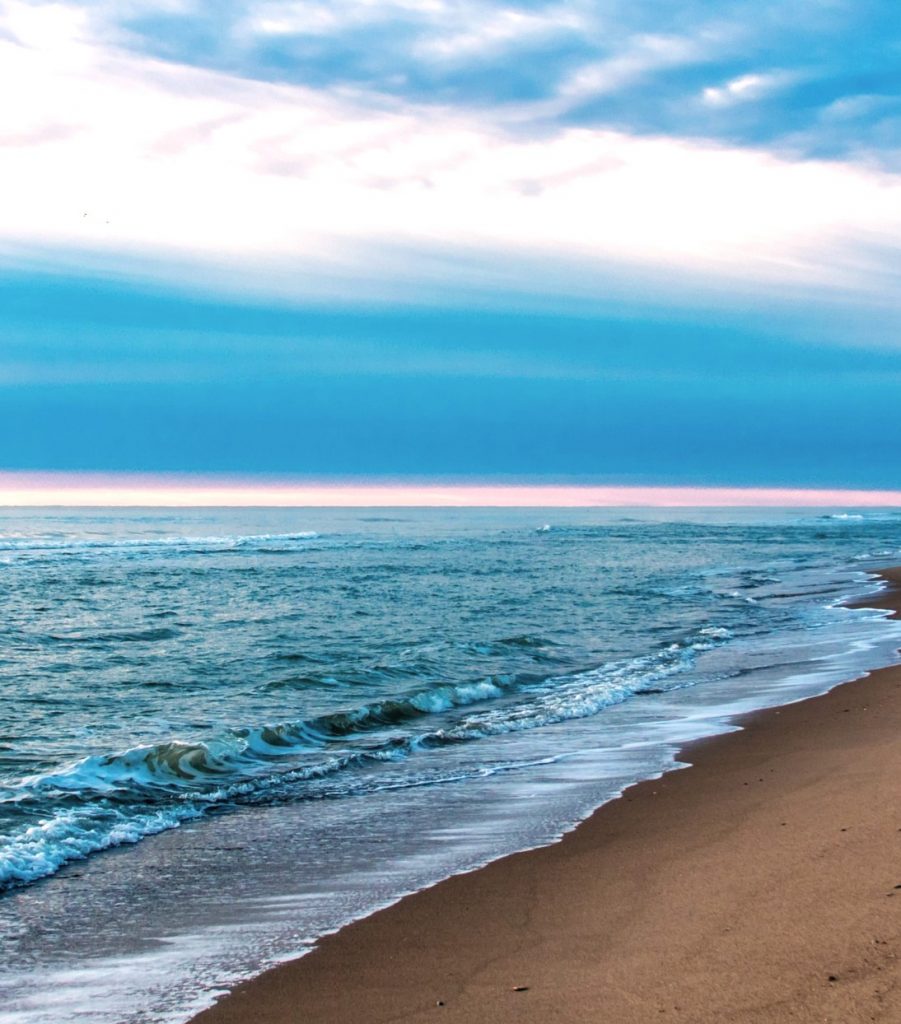
Together for a clean environment and the protection of nature
We create reliable, long-term structures to ensure that beaches and landscapes are preserved and remain accessible to everyone.

Clean beaches for everyone
Clean beaches protect nature and biodiversity while improving the quality of life for residents and visitors alike.
Preserving natural beauty
Protecting our landscapes safeguards natural habitats and enables a sustainable coexistence between people and nature.
Promoting environmental awareness
Through information, education, and participation, we strengthen environmental awareness within society.
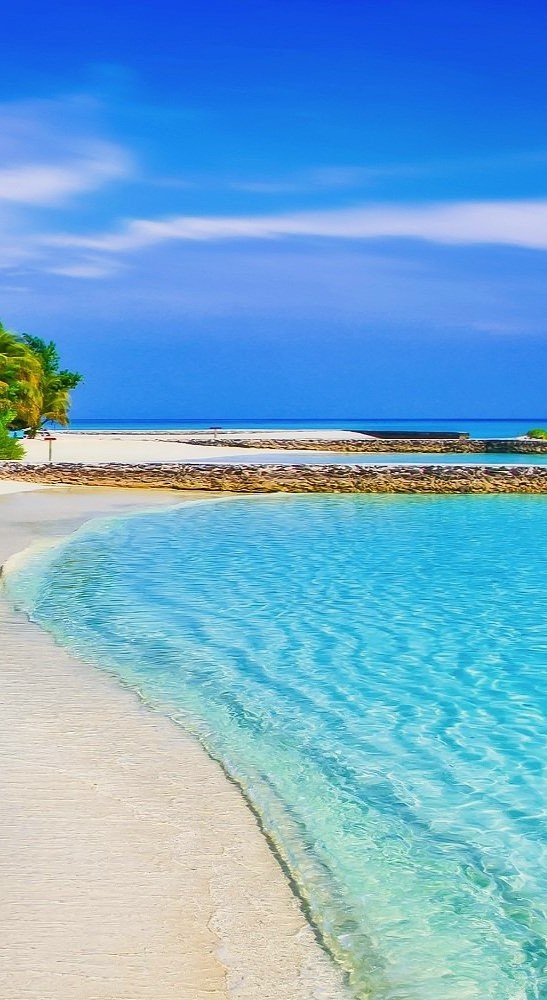
Why we must act
Nature itself shows us more clearly than any statistic why we cannot wait.
Change begins when we are willing to look closely.
👉 Realität ansehen
Our concrete contribution to environmental protection
We establish functional structures that keep beaches and landscapes clean in the long term.

Step one: Creating awareness
We build understanding of why a clean environment cannot exist without functional disposal and recycling structures.

Step two: Taking action without delay
Together, we implement practical measures where waste is generated and must be properly managed.

Step three: Securing sustainability
We establish sustainable systems so that a clean environment no longer depends on individual goodwill.
Building the foundations for a clean environment – long-term and affordable
Together, we ensure a clean environment so people can enjoy nature and landscapes for generations to come.